

French is one of the most widely spoken and culturally influential languages in the world. It is known for its melodic rhythm, clear structure, and global relevance. This beginner friendly overview gives you the essentials you need to start learning French with confidence.
Why learn French
French opens doors to travel, culture, work, art, cuisine, and connection. It is spoken across Europe, Africa, Canada, the Caribbean, and many international organizations. Whether your goal is daily conversation or professional growth, French gives you a major advantage.
French pronunciation basics
French pronunciation is smooth and regular once you understand a few core rules. Many sounds are different from English, but they follow consistent patterns.
- Final consonants are often silent, especially s, t, d, and p.
- Accents matter, since they change vowel sounds. Examples include é, è, à, and ô.
- Nasal vowels appear in words like bon, pain, and ensemble.
- The French r comes from the back of the throat and is softer than in English.
- Liaison connects final consonants to the next word for smoother speech.
French grammar in simple terms
French grammar is structured and predictable once you learn the foundation. Understanding patterns helps you speak naturally without memorizing long lists of rules.
- Gendered nouns: every noun is masculine or feminine.
- Articles: le and la mean the, les is plural.
- Verb groups: regular verbs end in er, ir, or re.
- Common tenses: present, past with avoir or être, and near future with aller.
- Word order: usually subject plus verb plus object, similar to English.
Essential beginner vocabulary
Start with practical words and phrases that you can use right away.
- Greetings: bonjour, salut, bonsoir.
- Politeness: merci, s’il vous plaît, pardon.
- Useful verbs: être, avoir, aller, faire.
- Daily nouns: maison, café, livre, ami.
- Simple expressions: ça va, je voudrais, combien.
Tips for learning French faster
- Listen to short French audio every day to train your ear.
- Repeat phrases out loud for better pronunciation and fluency.
- Read simple texts such as menus, signs, or graded readers.
- Use spaced repetition to learn vocabulary the smart way.
- Combine grammar study with real conversation and listening.
Common mistakes to avoid
- Ignoring accents, they change meaning and pronunciation.
- Translating every sentence word by word.
- Skipping listening practice, French rhythm is essential.
- Learning only vocabulary lists without context.
- Fearing mistakes instead of practicing actively.
FAQ
Is French hard to learn? It becomes easier once you learn pronunciation rules and basic grammar patterns.
How long does it take to reach A1? With daily practice, many learners reach A1 in two to three months.
Should I learn pronunciation first? Yes, it helps you understand spoken French and build strong speaking habits.
Do I need to memorize gender? Yes, but you learn it faster through exposure and examples, not long lists.
Start learning French with A1 Polyglot Phrases
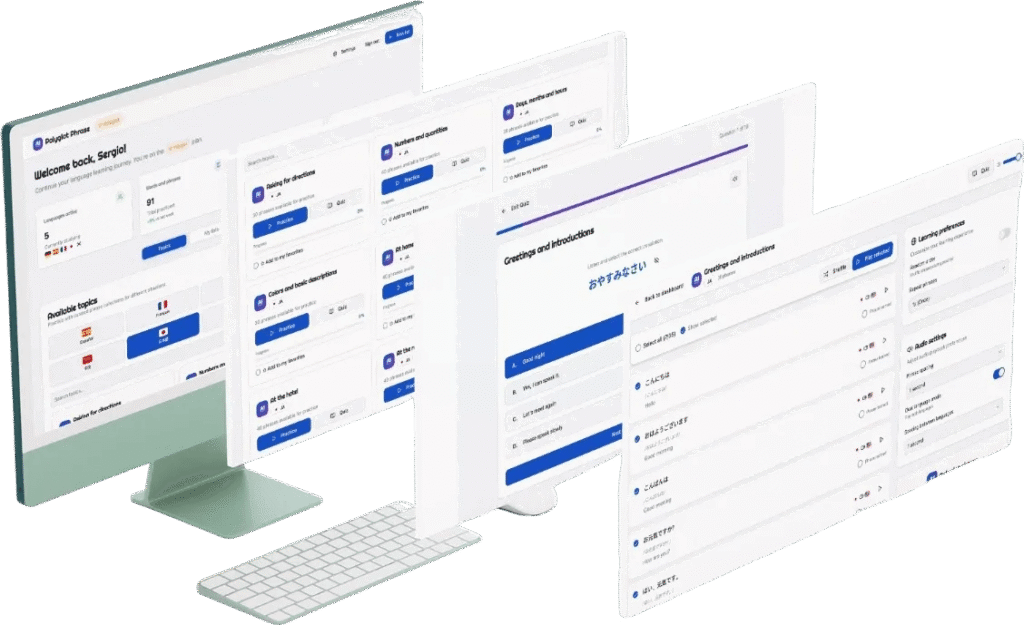
Build your French step by step with real phrases, natural audio, and simple daily practice. A1 Polyglot Phrases helps you understand, repeat, and internalize the language without stress. Try it today and start speaking French with confidence at https://phrases.a1polyglot.com.