




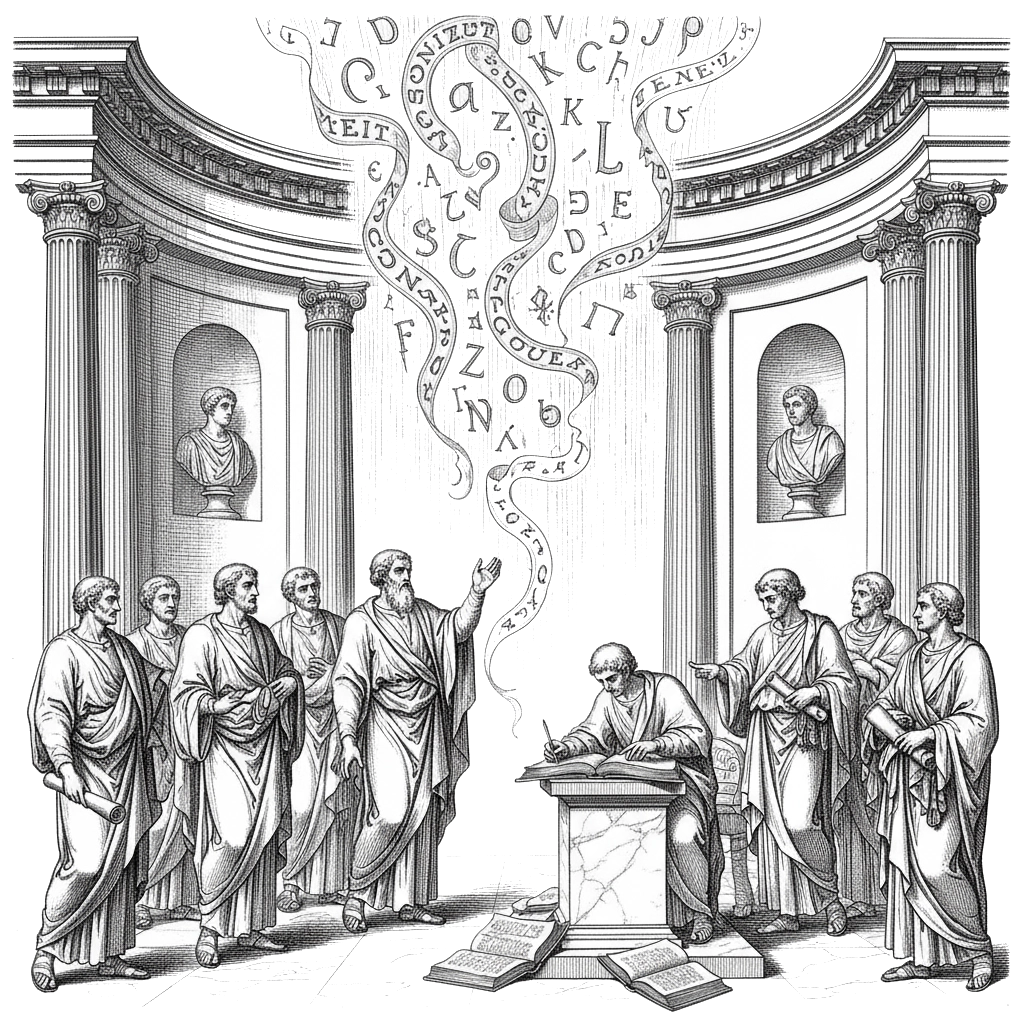
The classical world gave birth to some of the most enduring ideas about knowledge, language, and civilization. From the philosophers of Greece to the scholars of Rome, from the scribes of Alexandria to the translators of the early Church, mastery of language became a mark of culture and intellect. To speak many tongues was not simply a matter of communication—it was an expression of power, curiosity, and identity.
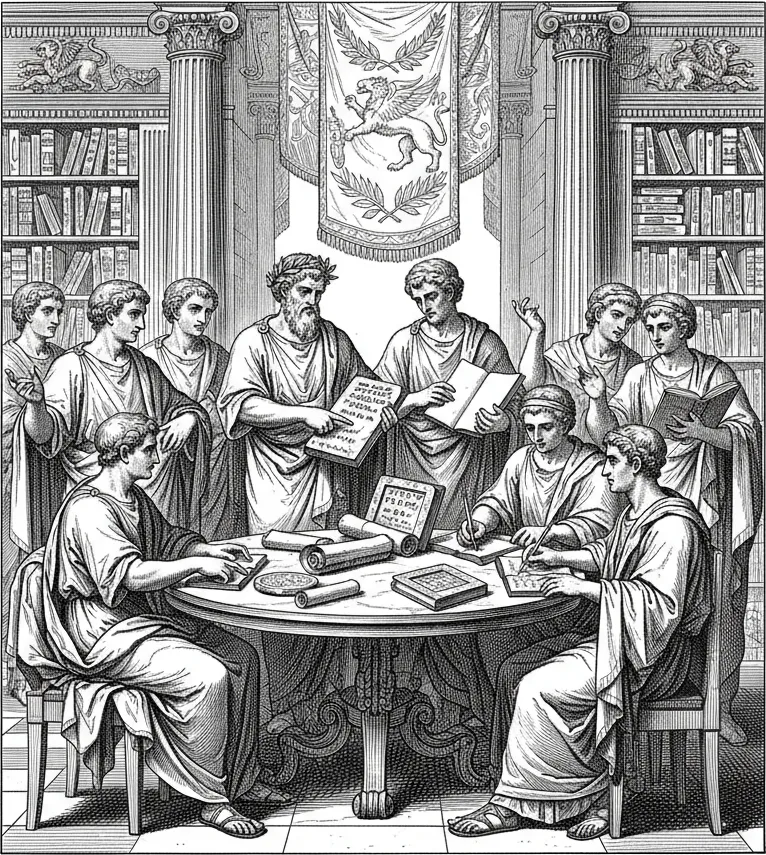
In this era, travel, conquest, and trade brought cultures into constant contact. Empires expanded across continents, carrying with them the need for interpretation and translation on an unprecedented scale. The Mediterranean became a crossroads of languages: Greek, Latin, Aramaic, Hebrew, Coptic, Persian, and countless local dialects mingled in the markets, academies, and temples of the ancient world. For the first time, the dream of universal understanding seemed within reach, and with it, the realization that every language offered a distinct way of seeing the world.
The classical period also redefined what it meant to be wise. Philosophers like Plato and Aristotle linked reason and speech, arguing that logos—the word—was the essence of human nature. Orators such as Cicero and Demosthenes turned eloquence into a civic virtue, while historians like Herodotus and Polybius used language to connect distant peoples through storytelling. In this world, the polyglot was not just a traveler but a thinker—someone who understood that truth itself could have many tongues.
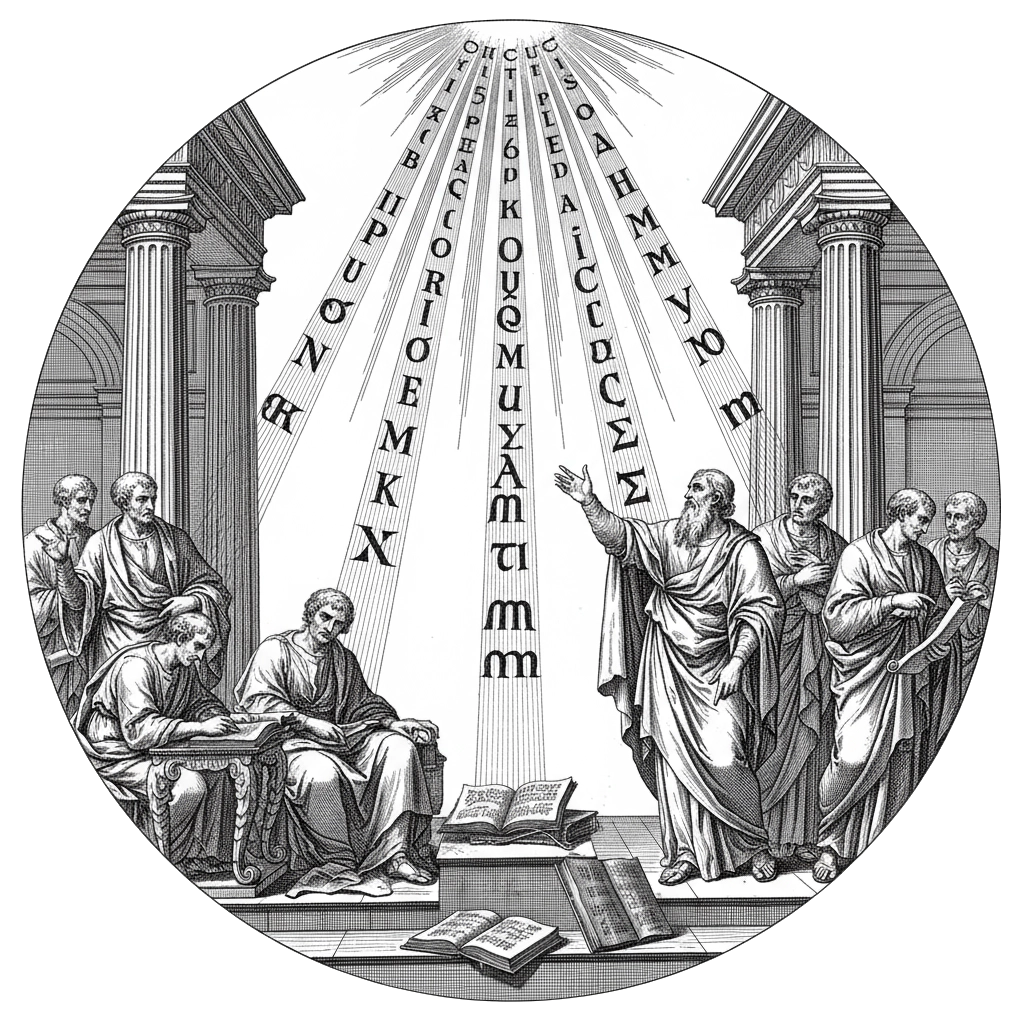
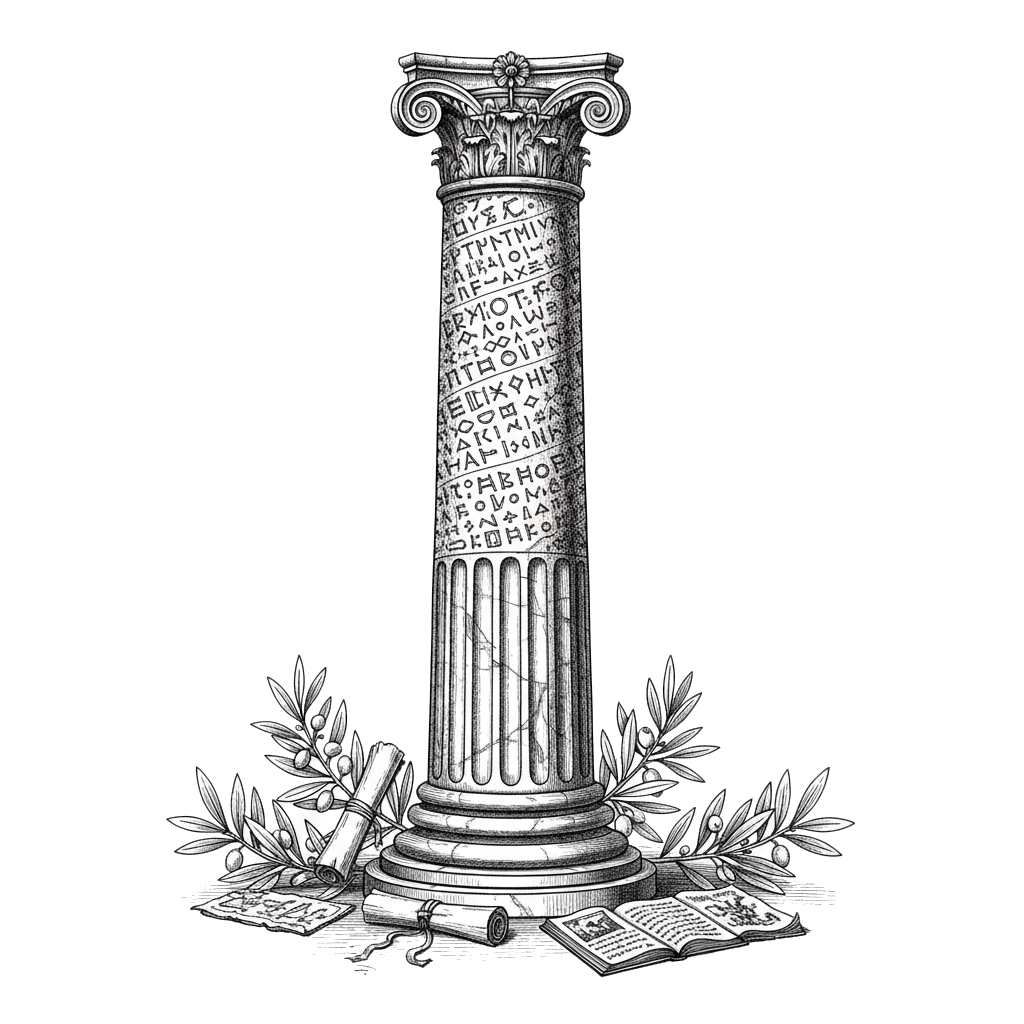
This chapter explores three figures who embody that classical spirit of linguistic mastery and intellectual exploration. Herodotus, often called the “Father of History,” recorded the voices of nations and cultures far beyond Greece, weaving language into the art of understanding others. Julius Caesar, both general and writer, used multilingual diplomacy to build alliances and manage an empire. And Saint Jerome, standing at the threshold of antiquity and the Christian era, turned translation into theology itself through his Latin Vulgate Bible.
Together, their lives reveal how the classical world transformed language from a mere tool into a symbol of civilization. The wisdom of the polyglot was not only to speak—but to listen, compare, and bridge the distances between minds and nations.