


Throughout history, language has been one of humanity’s most powerful tools—not only for communication but for control. In the ancient world, those who could speak more than one language held a key to influence, diplomacy, and sacred authority. Polyglots were not merely admired; they were vital to the functioning of empires, temples, and royal courts. The ability to bridge tongues often meant the ability to bridge worlds.
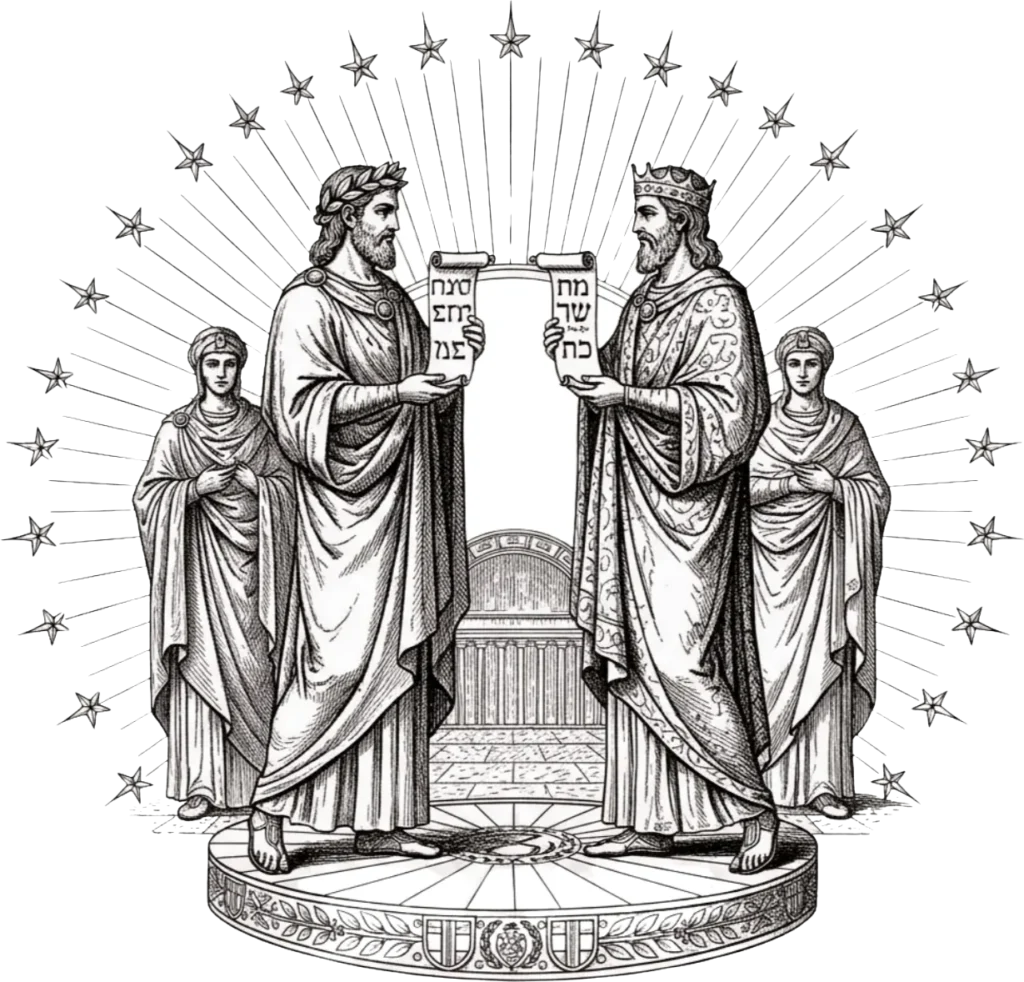
Long before the word polyglot existed, rulers and scribes across Mesopotamia, Egypt, and Persia recognized language as a political instrument. The Akkadian language, spoken in Mesopotamia, became the first international lingua franca of diplomacy during the Late Bronze Age. The Amarna Letters—a collection of clay tablets exchanged between Egyptian pharaohs and rulers of the Near East—were all written in Akkadian, even when neither side spoke it natively. This shared medium allowed kings to negotiate peace, arrange marriages, and manage alliances. It was one of humanity’s earliest examples of global communication.
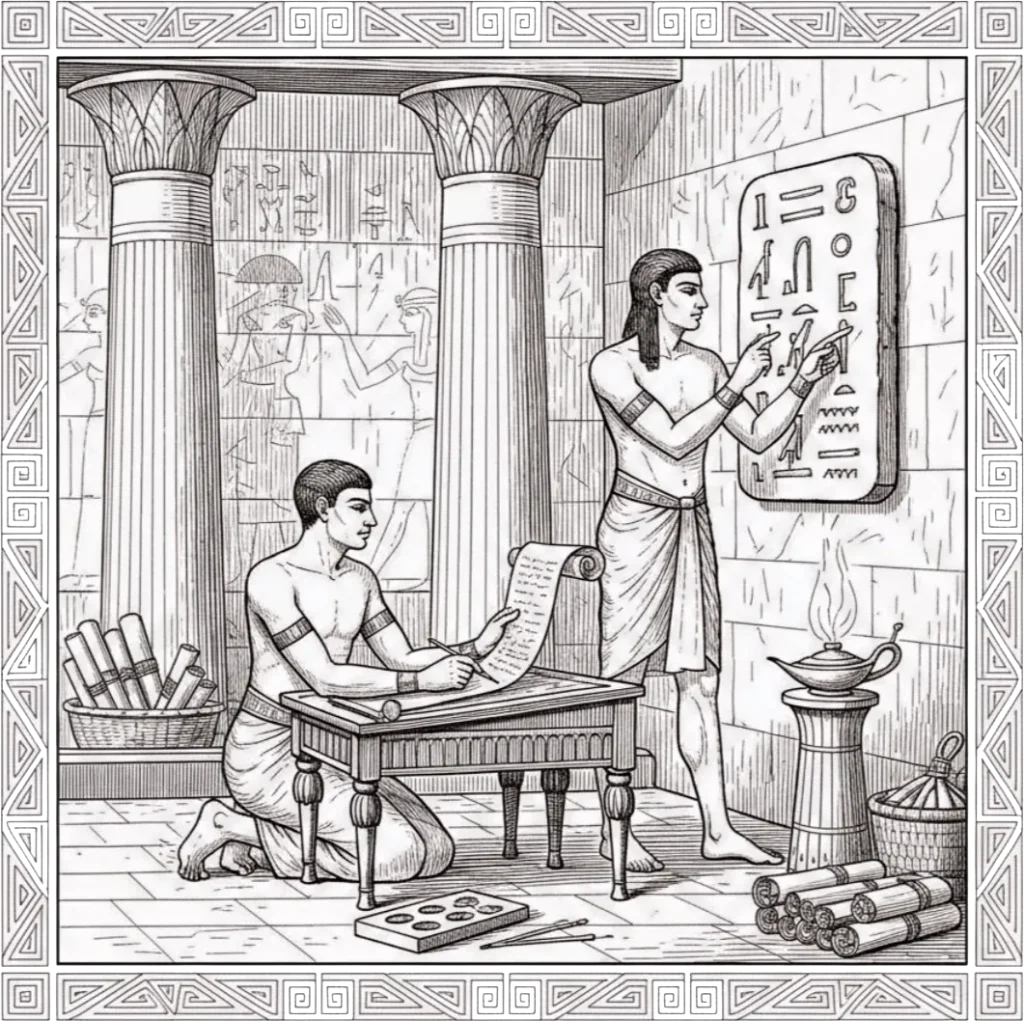
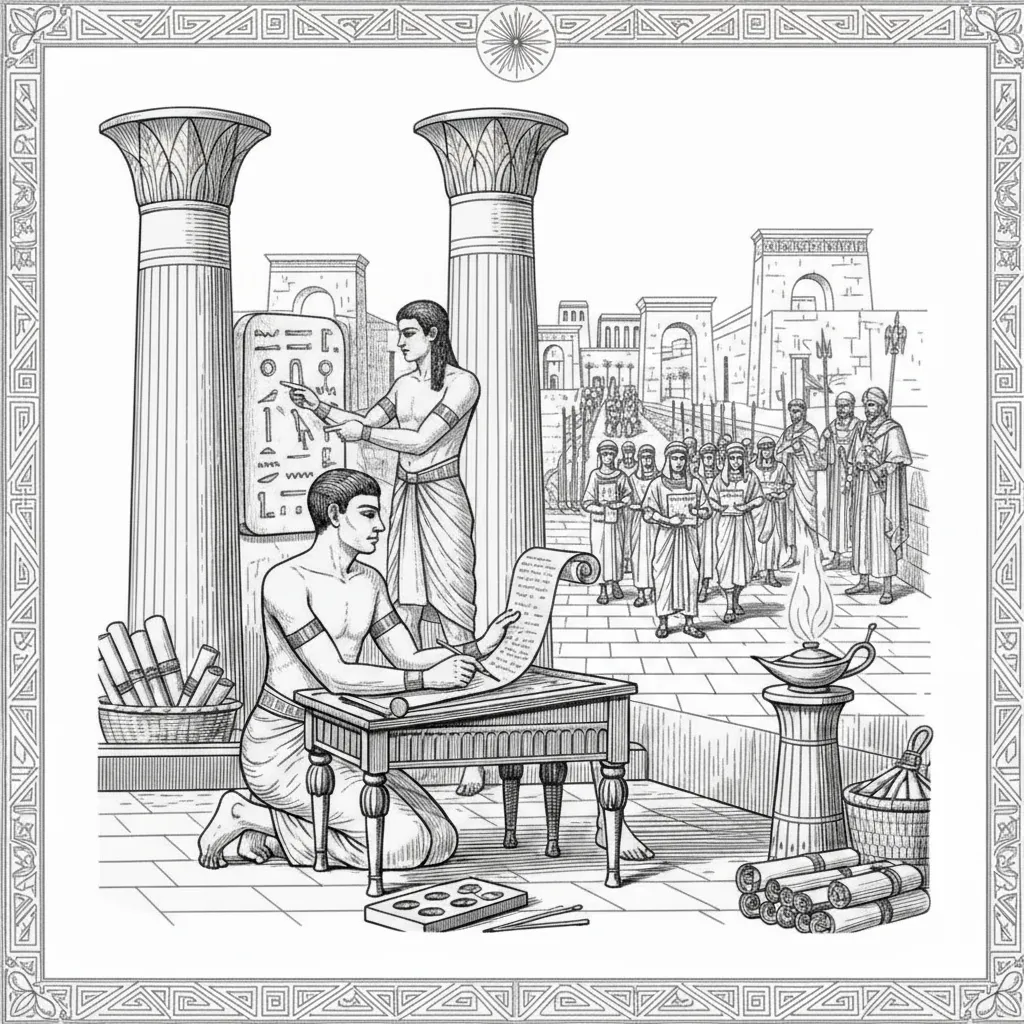
In ancient Egypt, literacy itself was a mark of privilege. Only a small fraction of the population could read or write, and the title of scribe carried both prestige and power. Scribes served as guardians of written language—the officials who recorded decrees, rituals, and international correspondence. The Rosetta Stone, inscribed in 196 BCE, illustrates Egypt’s linguistic hierarchy: the same decree appears in three scripts—hieroglyphic for sacred use, Demotic for common administration, and Greek for the governing elite. Language, in Egypt, mirrored the structure of power itself.
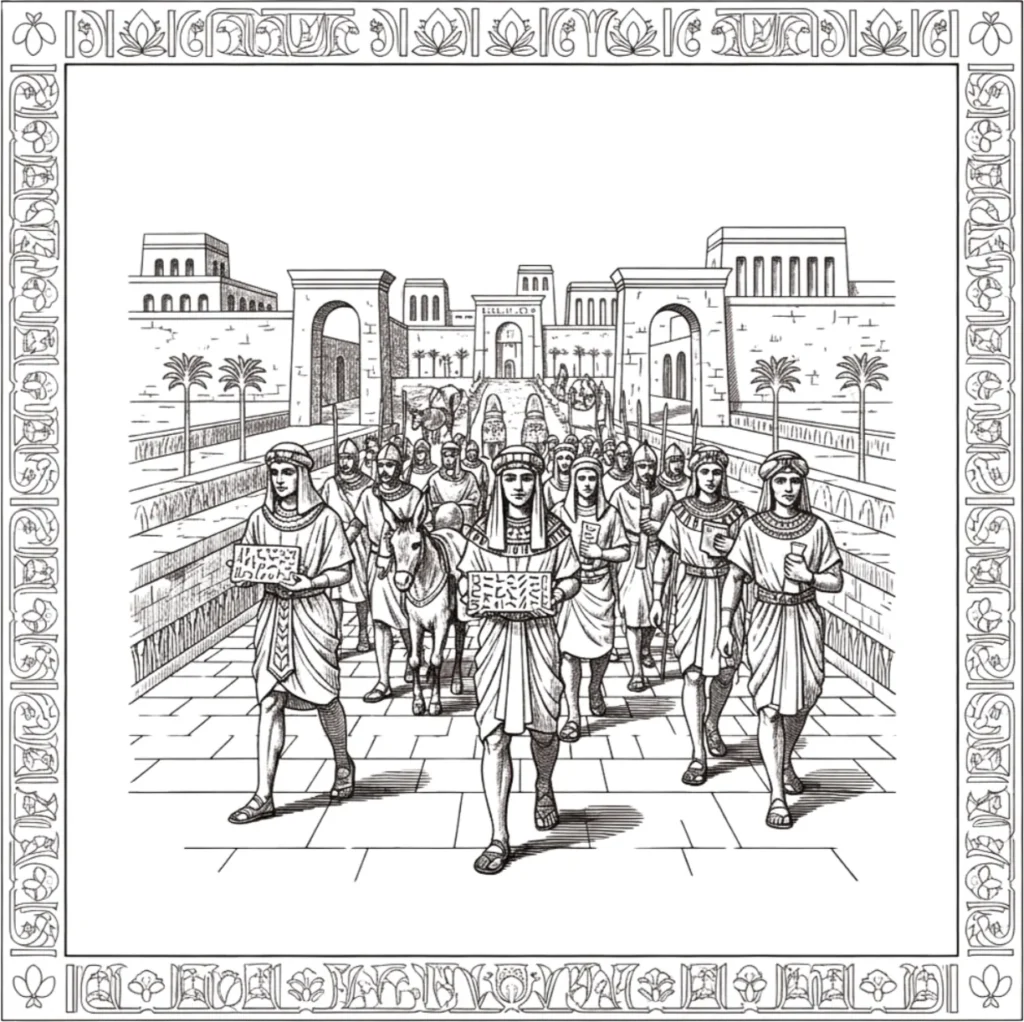
The Achaemenid Empire in Persia built one of the most extensive multilingual administrations in history. From the Indus Valley to the Mediterranean, officials governed subjects speaking dozens of tongues. To unite such diversity, the empire standardized Imperial Aramaic as an administrative language used for decrees and correspondence across regions. Some royal inscriptions from Persepolis and Babylon were issued in multiple languages—Old Persian, Elamite, and Babylonian—so that the king’s message reached all corners of the empire. Language, here, became an architecture of governance, sustained by interpreters, scribes, and couriers.
In Greece and Rome, linguistic skill was inseparable from diplomacy and education. Herodotus, writing in the fifth century BCE, described the use of hermēneis—interpreters—in royal courts and embassies. They were indispensable intermediaries capable of moving between worlds where most could not. In Rome, their counterparts, known as interpretes, served generals and governors, translating for allies and envoys. Ancient sources show that their reliability could influence alliances, while a single mistranslation might alter the course of negotiations.
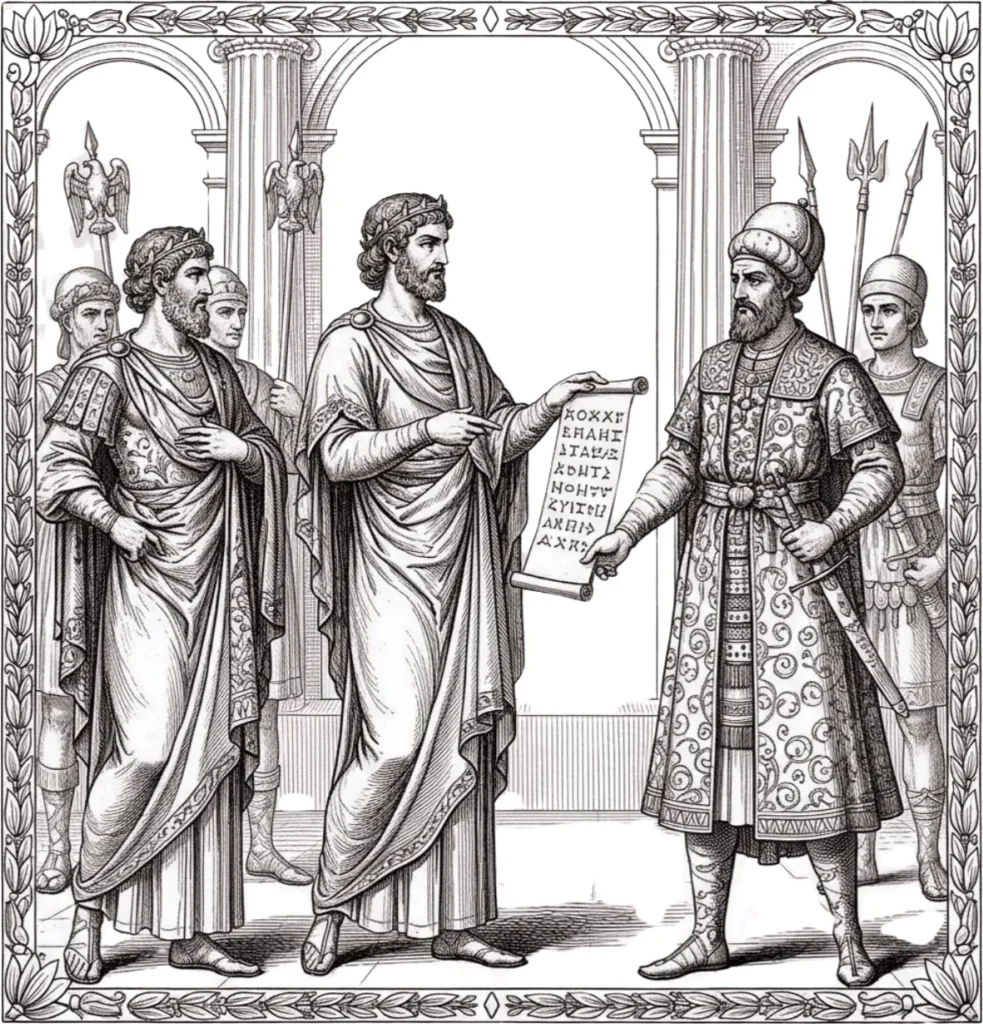
Among rulers, mastery of multiple languages became a mark of intellect and legitimacy. Cleopatra VII, according to Plutarch’s Life of Antony, was said to speak several languages fluently and rarely needed an interpreter when addressing foreign envoys. For a queen ruling at the crossroads of Egyptian, Greek, and Roman cultures, her linguistic versatility reinforced her image as a universal monarch—one who could speak to each nation in its own voice.
Across the ancient world, priests and scholars were often among the earliest polyglots. In temples from Babylon to Thebes, they studied the sacred tongues of prayer and translation. To master multiple languages was to move between multiple realities—the language of gods, of kings, and of the people. In many civilizations, linguistic skill merged the divine with the political, turning the act of translation into an act of power.
The legacy of these ancient polyglots still shapes our modern vision of diplomacy and cultural exchange. They remind us that language is not only a tool of expression but also a structure of authority—a bridge built by those who dared to cross the frontiers of speech. To speak many tongues is to hold within oneself the voices of many nations and, through them, the enduring art of understanding.