


Since the earliest records of human history, speaking another language has been seen as a form of power. In many ancient cultures, words were more than sounds; they were vessels of spirit, tools of connection with the divine. The idea that a person could speak an unknown language, without ever learning it, was often read as a sign of divine favor or inspiration. Centuries later, this experience would be called glossolalia: “speaking in tongues.”
The term comes from the Greek glôssa (“tongue, language”) and lalein (“to speak”). In antiquity, these roots evoked both the physical organ and the mysterious human gift of communication. Modern studies distinguish between glossolalia, speech that imitates the rhythm of language but lacks consistent syntax, and xenoglossia, in which someone reportedly speaks a real language never studied before. Both express a belief that language can transcend ordinary knowledge and arise from something spiritual.
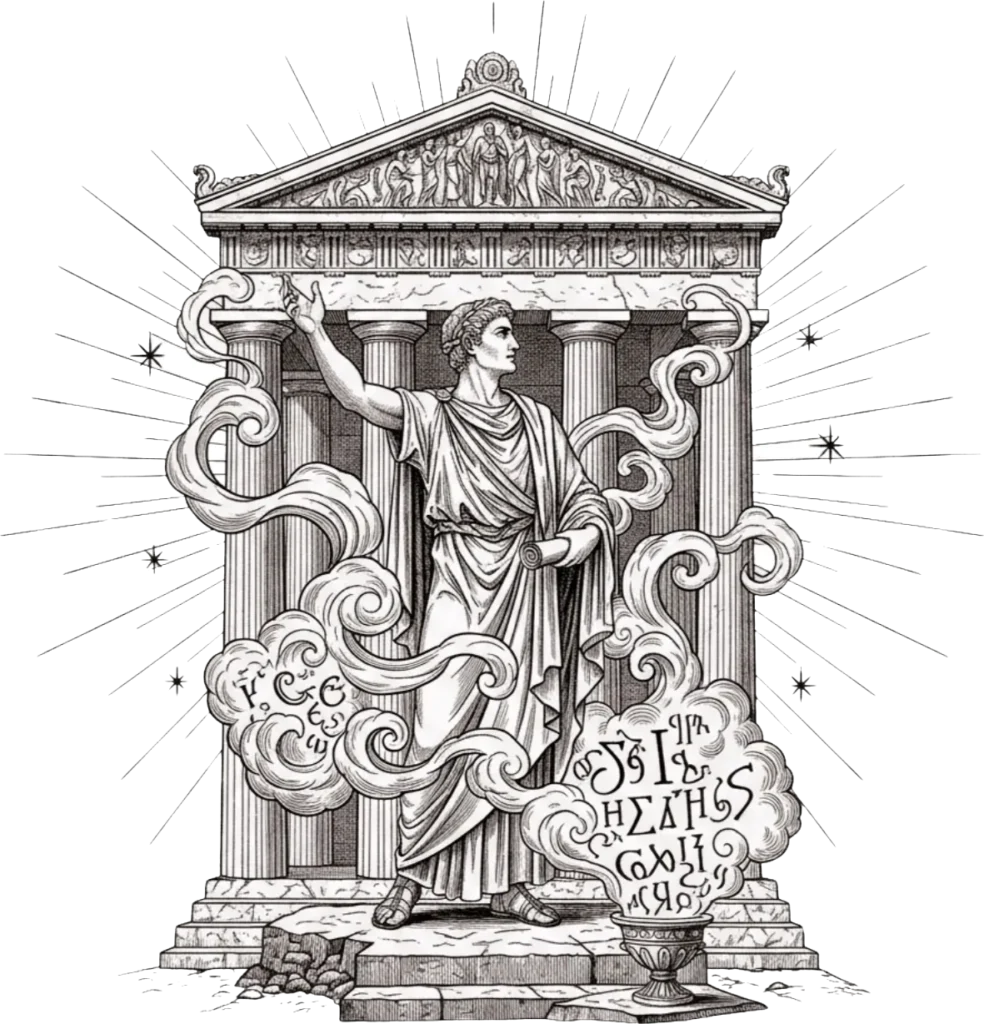
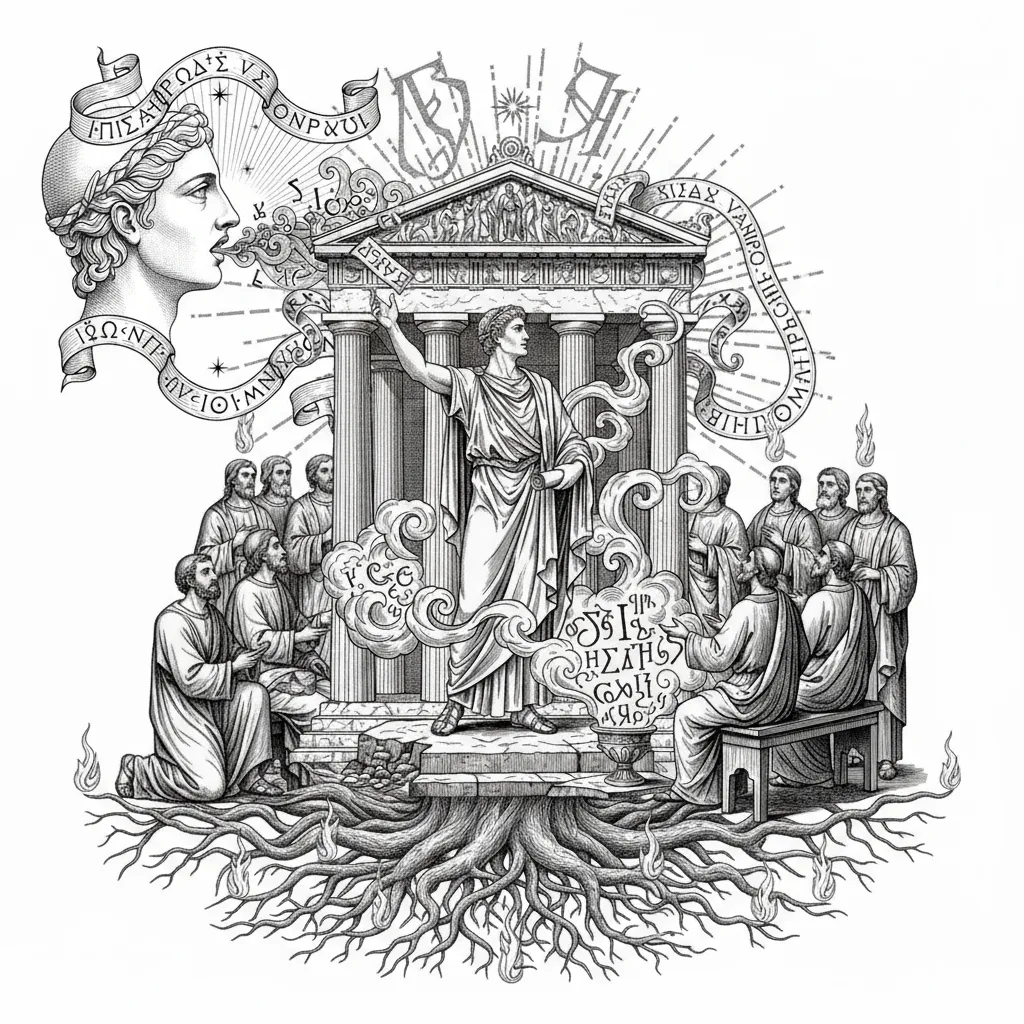
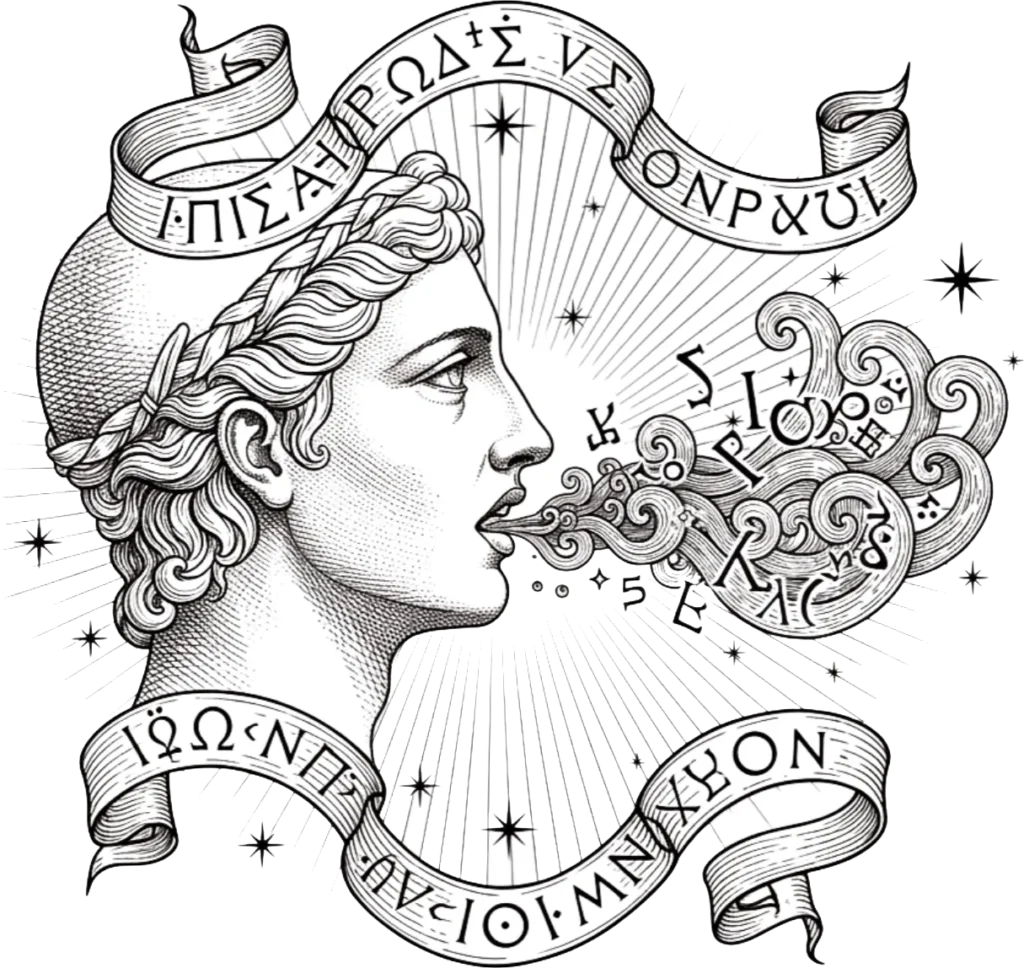
In the Greco-Roman world, uttering strange sounds or divine phrases was not unheard of. Temples dedicated to Apollo and the oracles of Delphi were places where priestesses spoke in enigmatic words later interpreted as messages from the gods. Language in such contexts served not to inform but to reveal. While these oracular voices were not “glossolalia” in the modern sense, they show that ancient peoples associated inspired speech with access to the divine. Similar ideas appear in some Eastern ritual traditions, where syllables considered “non-human” symbolized a bridge to the unseen world.
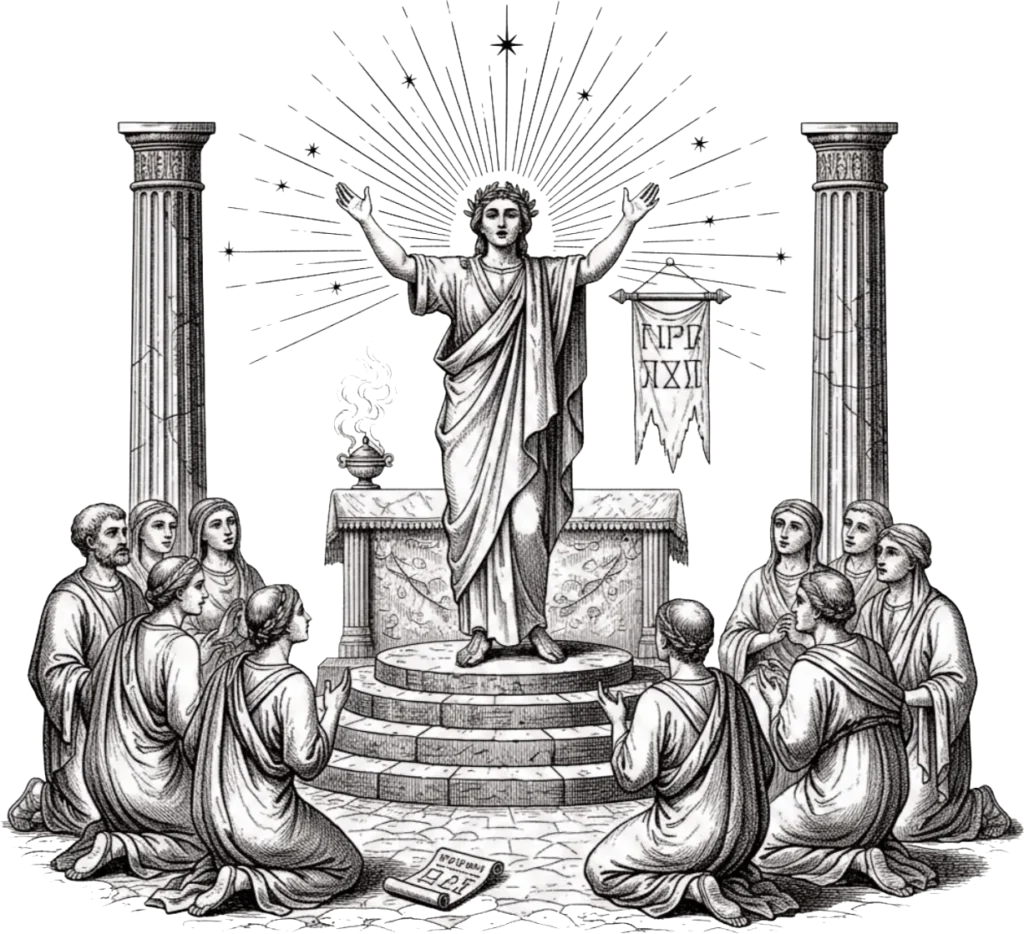
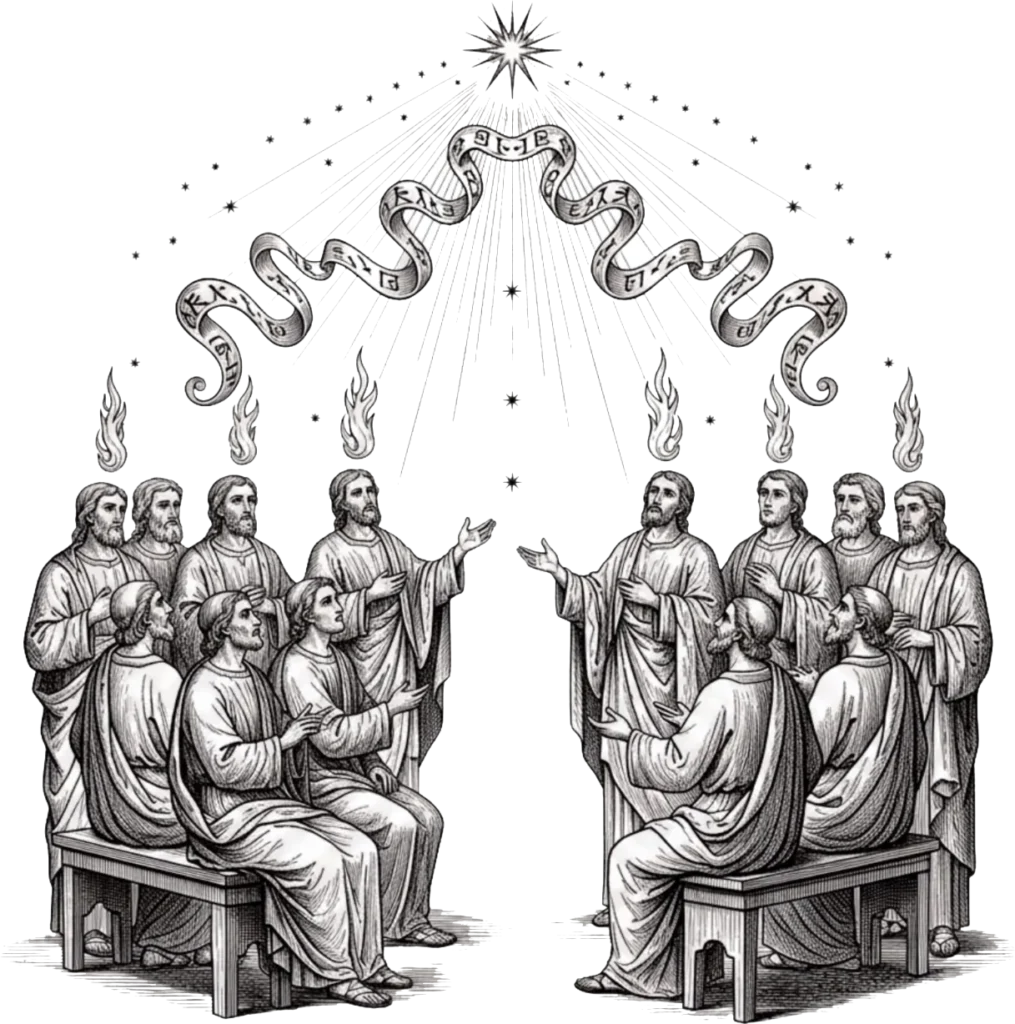
With the rise of Christianity, the phenomenon acquired new meaning. In the account of Pentecost (Acts 2), the apostles, upon receiving the Holy Spirit, began to speak in “other tongues,” and listeners from different regions understood them each in their own language. This was portrayed not as incoherent babbling but as a miraculous act of communication, xenoglossia, the ability to speak real languages not previously known. For early Christians, it became a symbol of unity rather than division: the tongues once confused at Babel now turned into instruments of mutual understanding. In his letters to the Corinthians (1 Cor 12–14), the apostle Paul set guidelines for its practice, insisting that any such speech be orderly and accompanied by interpretation so that it would strengthen the community rather than display personal ecstasy. It was, in a sense, an attempt to balance spiritual experience with rational communication.
Several Church Fathers mention this gift in their writings. Irenaeus of Lyon (2nd century) described believers who “speak in all kinds of languages through the Spirit,” while Tertullian (3rd century) referred to the “gift of interpretation.” Scholars note that some early Christian writers viewed these tongues as genuine human languages inspired by the Spirit, while others were less specific about their nature. Either way, the subject was real enough to be debated among early communities.
In modern times, science has examined glossolalia through linguistics, psychology, and neuroscience. Research shows that speech produced during glossolalia mimics normal language prosody but lacks fixed grammatical structure. It functions as a form of emotional or spiritual expression rather than a communicative code. Neuroimaging studies, including SPECT scans, have found altered activity in the brain’s executive networks and regions linked with self-control, while conventional language areas show different patterns of engagement. These findings suggest that the phenomenon involves real cognitive changes, though they do not establish a supernatural cause. In religious settings, participants often describe a sense of surrender or flow, a merging of mind, voice, and faith.
From ancient temples to modern churches, humanity has dreamed of a universal language. The “gift of tongues” remains more than a theological curiosity; it is a symbol of our deepest desire, to reach beyond ourselves, to understand and be understood, to speak not only with words but with the soul.