



TPR Storytelling (TPRS): learn languages through stories
What if language learning felt less like studying and more like listening to a story you cannot wait to finish? TPR Storytelling (TPRS) combines repetition, imagination, and comprehensible input to help learners acquire vocabulary and grammar naturally. Instead of memorizing isolated rules, you absorb structures through engaging, repeated narratives.
What is TPR Storytelling?
TPR Storytelling, developed by Blaine Ray in the 1990s, is an evolution of Total Physical Response (TPR). While traditional TPR focuses on responding physically to commands, TPRS expands the method by building simple, repetitive stories around key vocabulary and structures.
The core idea is simple: language sticks when it is meaningful, repeated, and understandable. Instead of drilling grammar rules, learners hear and read short stories where target phrases appear many times in slightly varied contexts.
How TPRS works in practice
-
Select a small set of target structures.
- Choose 2–3 phrases or grammar patterns.
- Keep vocabulary limited and high-frequency.
-
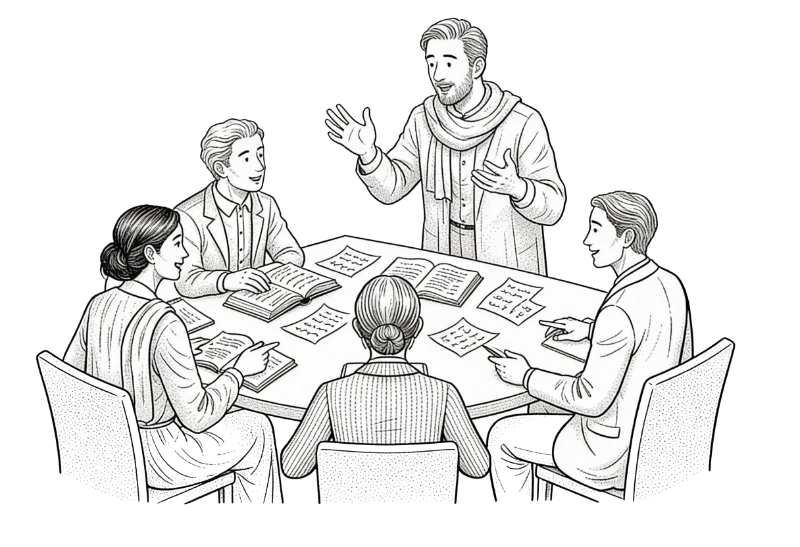
Create a simple, personalized story.
- Build a short narrative using the target structures repeatedly.
- Ask learners questions to co-create details.
-
Repeat with variation.
- Retell the story with small changes.
- Encourage yes/no and short-answer responses.
-
Transition to reading.
- Provide a written version of the story.
- Highlight recurring structures in context.
-
Extend through retelling.
- Have learners summarize or modify the story.
- Encourage creative variations while maintaining structure.
Why TPRS works
- Comprehensible input: learners understand before they produce.
- High repetition: structures repeat naturally without feeling mechanical.
- Emotional engagement: stories activate curiosity and imagination.
- Context-based learning: grammar appears inside meaningful narratives.
- Reduced anxiety: learners are not pressured to speak before they are ready.
Common mistakes (and how to fix them)
- Too much vocabulary at once. Fix: limit each session to a few core structures.
- Stories that are too complex. Fix: keep plots simple and repetitive.
- Skipping repetition. Fix: embrace structured repetition with small variations.
- Forcing early speaking. Fix: prioritize comprehension first.
- Lack of personalization. Fix: involve learners in shaping the story.
Recommended tools for TPRS practice
- Audio recording apps: record and replay stories for repetition.
- Simple story generators: use prompts to create basic narratives.
- Shared documents: collaboratively build written versions of stories.
- Flashcard apps: isolate key structures after storytelling sessions.
How to integrate TPRS into your study routine
Weekly: choose 3 target structures and build one story around them.
Daily: listen to or read the story again, focusing on comprehension.
After one week: retell the story from memory, then create a variation.
FAQ
Is TPRS only for beginners? No. It works at all levels by adjusting vocabulary and complexity.
Do I need a teacher for TPRS? It helps, but self-learners can adapt the method using recorded stories and reading materials.
Does TPRS ignore grammar? No. Grammar is acquired naturally through repeated exposure in context.
Can TPRS improve speaking fluency? Yes. Repeated exposure to structures builds automatic recall during conversation.
Strengthen your listening and reading with A1 Polyglot
Discover how storytelling can accelerate your language acquisition. Take the A1 Polyglot Method Quiz to find the learning strategies that match your cognitive style.